Buying Previous-Season Nike Running Shoes: A UK Value Checklist
Compare previous-season Nike running shoes by model, fit, delivery and returns. Use this UK checklist to work out whether a sale price is good value.
On this page
A previous-season pair of Nike running shoes can be worth considering when the model suits your needs and the reduction survives the checkout. The useful comparison is the price of a suitable pair you can actually buy in your size, with delivery and return conditions included.
This guide explains how to assess an older model or reduced colourway without treating the biggest percentage discount as the best purchase. Nike’s UK delivery and returns information was checked on 28 October 2026; confirm the terms shown for your order before paying.

Start with the exact model, not the sale badge
Write down the full product name, version number and style code from the listing. A familiar range name alone is not enough to identify the same shoe. Keep the men’s, women’s or unisex version, width and intended use in your comparison, too.
There are two different decisions here. Comparing colours of the same model lets you judge whether a preferred colour is worth the extra money. Comparing an older version with its successor means checking what has changed in the product descriptions. Do not assume that an older version fits identically, or that the newer one is automatically worth a higher price.
Check that the item is described as a running shoe for the type of running you intend to do. A sportswear trainer with a similar appearance may serve a different purpose. Keep road and trail choices separate while narrowing your shortlist, and use the manufacturer’s guidance for the specific model rather than relying on a photograph.
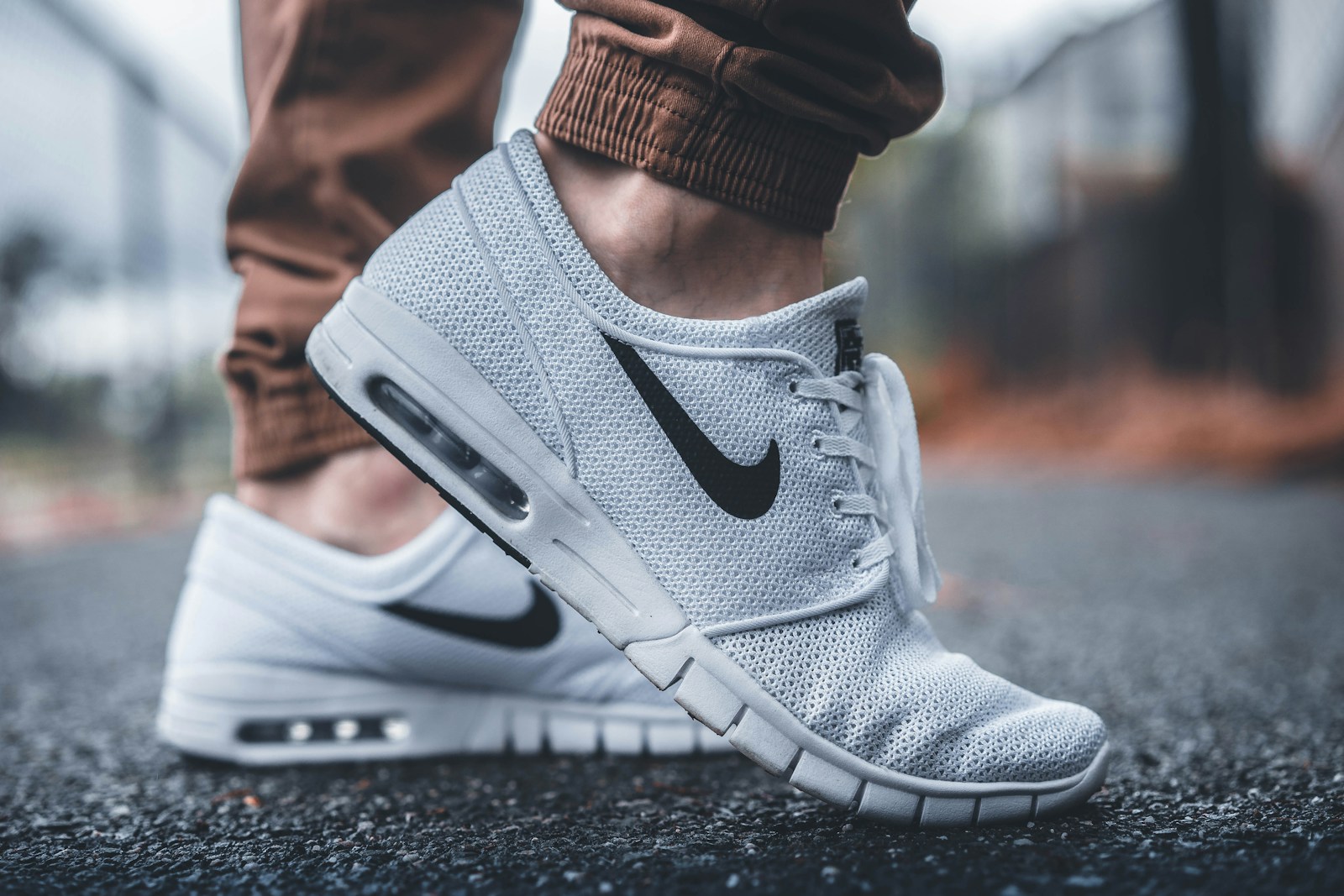
Set a delivered-price limit before comparing discounts
Decide what you are comfortable spending for the complete order. Then shortlist two or three suitable pairs and record their current selling prices. A shoe reduced from £160 to £112 still costs more than a suitable £95 alternative, even if the former has the more eye-catching reduction. Those figures are illustrative, not current offers.
Before paying, check the Nike discount code page for any available offer and read its conditions. Confirm that your exact item qualifies and that the reduction appears in the basket. Leave the calculation at the ordinary sale price if no valid offer is available.
A simple comparison should contain four figures: the item price, any discount actually accepted, delivery and the final amount payable. Keep optional extras outside the comparison unless you already planned to buy them. An extra T-shirt does not become a saving just because it helps the basket qualify for something.
Check what happens around Nike’s delivery threshold
At the time of checking, Nike’s UK standard delivery is free for signed-in Members on orders of £50 or more. Below that, it costs £4.50. For guests, the free-delivery threshold is £99, with £4.50 charged below it. Nike calculates delivery eligibility after discounts, so look at the final basket rather than the starting price.
For example, imagine a Member’s £55 order qualifies for a hypothetical 10% reduction. The item total becomes £49.50; adding £4.50 standard delivery makes the amount payable £54. The saving against £55 with free delivery is £1. This is a calculation example, not a claim that a 10% offer is currently available.
If an eligible free collection option appears, compare the journey and timing with delivery. Otherwise, paying the delivery charge can be cheaper than adding an unwanted item. The checkout’s total and available options should settle the decision.
Keep the right size at the top of the shortlist
Filter for your size early, then check the model’s size guide and any fit notes. Make sure you are reading the UK size rather than another sizing system. If you are replacing a familiar pair, record the full version and size from that pair before searching; the same range name is not proof of an identical fit.
Do not buy a different size solely to obtain a better reduction. An inexpensive pair that remains in its box is poor value. If you are unsure between sizes, establish the return process and the amount you would have tied up before ordering multiple pairs.
Understand the return conditions before trying them
Nike currently allows returns or exchanges of most items within 30 days of delivery or store purchase. Its contractual return conditions require items to be unworn, unwashed and retain their product tags, with exceptions. Nike permits trying items as you would in a shop, but this is not permission for an outdoor running trial. Keep the packaging and proof of purchase while deciding.
Nike states that returns are free for Members and guests. If you buy Nike shoes from another retailer, that purchase must be returned through that retailer. Check its terms separately rather than applying Nike.com’s policy to every stockist.
Compare a running specialist when your shortlist is limited
If the Nike sale does not have a suitable pair in your size, 365Rider offers another place to compare running footwear across brands. Start with the same intended use and budget rather than treating the first discounted alternative as equivalent.
You can check the 365Rider discount code page for current availability. A listing does not guarantee an active code. Confirm UK delivery availability, the currency and complete checkout cost, together with the retailer’s own return arrangements, before comparing it with a Nike order.
A final check before placing the order
- Does the exact model match your intended use, size and budget?
- Have you compared a suitable alternative using today’s price, rather than only the advertised reduction?
- Is any eligible discount visible, with delivery recalculated afterwards?
- Do you know how to try the shoes and return them within the applicable conditions?
Buy the earlier-season pair when those checks support the decision. If they do not, keeping your budget for a better-fitting option is a sensible outcome of the comparison.